

Cebu has quietly transformed from a laid-back island destination into one of Southeast Asia’s most promising real estate markets. Once known primarily for its beaches and tourism, it is now a thriving economic hub, attracting investors, expats, and property buyers from across the globe.
For anyone considering buying property or investing in real estate in Cebu, understanding the market requires more than just browsing listings. You need to grasp the deeper forces shaping its growth, the risks involved, and the opportunities that make Cebu stand out in the Philippines.
This guide will walk you through everything from market trends and property prices to the best investment strategies so you can make informed and confident decisions.
Why Cebu Is a Real Estate Hotspot
Cebu’s real estate growth is backed by strong fundamentals rather than hype. The city has positioned itself as the Philippines’ second major economic center, supported by industries like tourism, outsourcing, and trade.
What makes Cebu particularly appealing is its balance. Compared to Metro Manila, it offers:
- More accessible property prices
- Strong rental demand
- Continuous infrastructure development
- A growing middle-class population
This combination creates a stable environment for both short-term returns and long-term appreciation.
At the same time, infrastructure projects new roads, bridges, and commercial developments are continuously opening up new investment zones. These improvements not only enhance connectivity but also directly increase property values in surrounding areas.
Understanding Cebu’s Property Market
Cebu’s real estate market is dynamic, meaning it moves in cycles but the long-term trend has consistently been upward.
In recent years, the market has shown both growth and adjustment phases. For example, property prices surged significantly in early 2025 before experiencing a short-term correction later in the year. Despite this, prices still remained higher year-on-year, highlighting the market’s resilience. This kind of movement is normal in developing markets. It reflects increasing maturity rather than instability.
Today, Cebu is considered a “balanced market,” where buyers have more negotiating power compared to previous years. Interest rates have made buyers slightly more cautious, but demand remains strong—especially for properties that offer a good balance between price and location.
Property Prices and Investment Potential
One of Cebu’s biggest advantages is that it still offers relatively good value compared to other major cities in Asia.
Property prices vary depending on location and type, but generally:
- Mid-range homes are often priced around ₱10M–₱15M
- Condominiums in prime areas continue to appreciate steadily
- Rental yields typically range between 4% and 9%
For investors, this means you can potentially benefit from both:
- Capital appreciation as the market grows
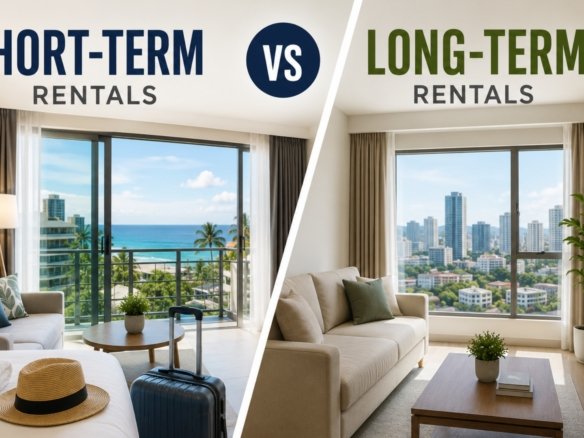
- Rental income from long-term or short-term tenants
This dual advantage is what makes Cebu particularly attractive compared to markets that offer only one or the other.
Best Areas to Invest in Cebu
Location is everything in real estate, and Cebu offers a diverse range of investment zones.
- Cebu City remains the core of economic activity. Areas like IT Park and Cebu Business Park are highly sought after due to their proximity to offices, malls, and lifestyle amenities. These locations are ideal for rental investments, especially targeting professionals and expats.
- Mandaue City is emerging as a strong alternative, offering slightly lower entry prices with growing infrastructure and demand.
- Lapu-Lapu City, particularly Mactan Island, is popular for tourism-driven investments such as vacation rentals and condotels.
Meanwhile, the South Road Properties (SRP) and other developing corridors are attracting long-term investors looking for future appreciation. These areas benefit from ongoing infrastructure and urban expansion, which are key drivers of property value growth.
Types of Properties in Cebu
The diversity of Cebu real estate allows investors to choose strategies that match their goals.
The most common options include:
- Condominiums – Ideal for rental income and low maintenance
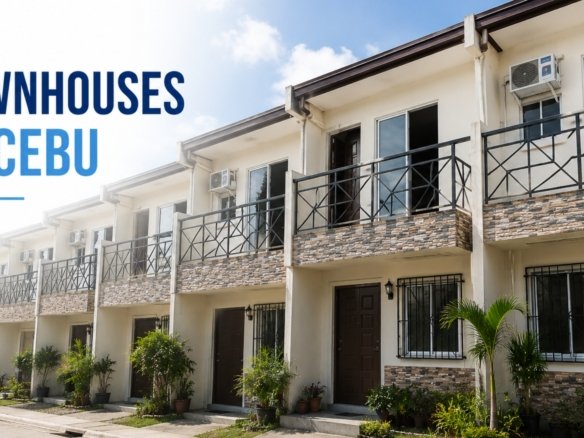
- House and lot properties – Suitable for families and long-term appreciation
- Commercial spaces – Higher investment but strong income potential
- Tourism properties – Great for short-term rentals and Airbnb-style income
Each type comes with its own advantages, and the right choice depends on your strategy.
Condominiums are the most popular choice for investors, especially those targeting rental income. They are relatively affordable, easy to manage, and located in prime urban areas. House and lot properties are preferred by families and long-term residents. These tend to offer better appreciation over time, especially in gated communities and premium neighborhoods. Commercial properties, while requiring larger capital, can provide strong returns due to Cebu’s growing business environment. Tourism-oriented properties such as beach houses and condotels are also gaining popularity, driven by Cebu’s status as a major travel destination.
The Buying Process in Cebu
Buying property in Cebu involves several important steps, and careful planning is essential. Most buyers begin by working with a licensed real estate agent who understands the local market. This is especially important for foreign investors who may not be familiar with local laws and processes.
Once a property is selected, due diligence becomes critical. This includes verifying ownership, checking titles, and ensuring there are no legal issues. After agreeing on terms, buyers typically pay a reservation fee, followed by signing either a Contract to Sell (for pre-selling properties) or a Deed of Absolute Sale (for completed properties). Legal review is highly recommended at this stage, as property contracts can be complex and require careful attention.
Risks and Challenges to Consider
While Cebu offers strong opportunities, it’s important to approach the market with realistic expectations. Foreign ownership laws can be restrictive. Non-Filipinos are generally limited to owning condominium units rather than land, which can impact investment strategies. Market fluctuations are another factor. Like any real estate market, Cebu experiences cycles influenced by interest rates, supply, and economic conditions. Infrastructure, while improving, can still present challenges in certain areas, particularly traffic congestion and public transport limitations.
Other factors to consider include:
- Infrastructure limitations in some areas
- Traffic congestion in key urban zones
- Variations in property quality across developments
Being aware of these risks allows you to plan better and invest more confidently.
Is Cebu a Good Investment in 2026 and Beyond?
All signs point to Cebu remaining a strong real estate market in the coming years.
The combination of economic growth, infrastructure expansion, and increasing demand continues to support long-term property values. Cebu is also benefiting from decentralization trends, as businesses expand beyond Manila and into regional cities. Even during periods of price correction, buyer activity remains strong, indicating confidence in the market’s future.
For investors, this creates a unique opportunity. The market is no longer at its earliest stage, but it still offers significant upside compared to more saturated cities in Asia.
Final Thoughts
Cebu is more than just a tropical destination it is a rapidly growing urban center with real, measurable investment potential.
For buyers, it offers a chance to own property in a city that combines lifestyle and opportunity. For investors, it provides access to a market with solid fundamentals, attractive yields, and long-term growth.
But like any investment, success in Cebu real estate depends on strategy. Choosing the right location, understanding the market cycle, and conducting proper due diligence will ultimately determine your results. Approached wisely, Cebu real estate is not just a purchase it’s a long-term asset that can deliver both financial returns and a high-quality lifestyle.


Join The Discussion